

The death of persuasion: why people don’t want to be convinced anymore
SOMETHING HAS SHIFTED AND BRANDS CAN FEEL IT
For decades, the central idea of marketing has been persuasion. The aim was to convince the audience, influence their decision and guide them towards action.
But today, something is changing quietly yet profoundly.
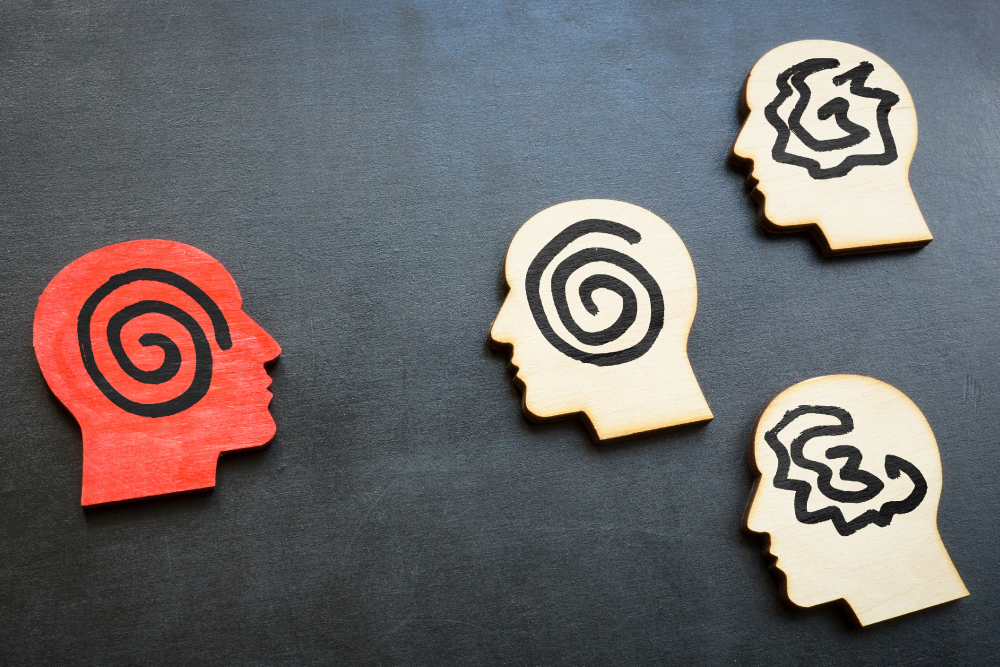
People are no longer looking to be convinced; rather, they want to understand, explore and decide for themselves, and they can tell the difference.
The result is that the traditional tools of persuasion are losing their power.
THE PROBLEM WITH PERSUASION IN 2026
Persuasion assumes resistance; the audience needs to be pushed, nudged and guided.
However, modern audiences are well-informed, connected, and constantly exposed to competing messages.
They need relevance. When a brand tries too hard to persuade, it creates distance; it signals intention over authenticity and pressure over value. In a world where trust is fragile, that distance matters.
FROM PERSUASION TO SELF-DISCOVERY
Today’s winning brands are not louder; they are more open. Rather than telling people what to think, they create environments in which people can reach their own conclusions.
This shift involves moving from pushing messages to designing experiences, from controlling perception to enabling exploration, and from persuasion to self-discovery.
When people feel they have made a choice, they trust it more, remember it longer, and connect with it more deeply.
THE ROLE OF CONTENT, PLATFORMS AND AI
This transformation is not happening in isolation. Platforms have changed the way we consume information, and AI has changed the way we access it.
Today, decisions are shaped across multiple touchpoints.
- Social media exploration.
- Reviews and community feedback.
- AI-generated answers and summaries.
- Third-party validation.
In this ecosystem, persuasion becomes fragmented, so what matters instead is a consistent presence, a coherent message and credibility across environments.
This is where concepts like SEO, GEO and AEO converge. SEO ensures visibility, GEO ensures contextual relevance, and AEO ensures that you are part of the solution.
Together, they position you instead of persuading.
WHAT THIS MEANS FOR BRANDS
If persuasion is no longer the goal, what should brands focus on instead?
- Be discoverable, not pushy: create content that answers questions, provides information and offers support, rather than interrupting.
- Design journeys, not campaigns: think beyond single messages. Build ecosystems where audiences can explore at their own pace.
- Earn trust through consistency: people trust what they see repeatedly across different contexts.
- Create space for interpretation. Not everything needs to be explained; sometimes meaning is stronger when it is discovered.
WHERE MYIDEAS COMES IN
At MYIDEAS, we design experiences that enable audiences to form connections, gain understanding and make choices naturally. This means:
- Creating content that informs rather than pressures.
- Structuring a digital presence across multiple touchpoints.
- Aligning strategy, message and experience to create one coherent journey.
In today’s world, influence is about alignment rather than control.
THE FUTURE BELONGS TO BRANDS THAT LET GO
The paradox is simple: the harder a brand tries to control how it is perceived, the less people will trust it. Conversely, the more freedom it gives people to discover things for themselves, the stronger the connection will become.
Persuasion is not disappearing completely, but it is no longer enough.
The future belongs to brands that understand this shift and adapt before it becomes obvious.
FINAL THOUGHT
Final thought: people want to feel that the decision was theirs, and the brands that enable that feeling are the ones that will be chosen.
If your marketing still relies on persuasion, it may already be losing its effectiveness.



HOW MYIDEAS CAN HELP?
At MYIDEAS, we help brands transition from pushing messages to creating meaningful journeys where connection happens naturally and growth follows. Let's rethink how your brand connects.